
CASI Project
“A European platform for sustainable innovation connecting science, policy, and society.”
CASI (Collective Awareness Platforms for Sustainability and Innovation) was a European Commission Horizon 2020 research initiative. I was responsible for the full design scope: branding, UX research, information architecture, interface design, and a complete design manual, working across a consortium of 19 partners in 12 European countries.
The platform was designed to mobilize citizens, scientists, and policymakers around shared sustainability challenges, translating complex research outputs into accessible, actionable public interfaces.
CASI sat at the intersection of open innovation, citizen science, and European public policy. The initiative brought together universities, research centers, NGOs, and public institutions to build a shared digital infrastructure for sustainable development.
The design challenge was multilayered: the platform needed to serve highly diverse audiences (from academic researchers to engaged citizens) across multiple languages and cultural contexts, while maintaining a coherent, credible identity aligned with EU institutional standards.
Working within a consortium of this scale required constant alignment across stakeholders with different priorities, technical constraints, and communication cultures. Design decisions needed to be clearly documented and defensible at every stage of the project lifecycle.
Research covered the full spectrum of platform stakeholders (researchers, policy advisors, civil society organizations, and general public users) through interviews, surveys, and comparative analysis of similar EU-funded digital platforms. Each audience brought distinct needs, mental models, and expectations around how sustainability data should be presented and interacted with.
Strategic positioning focused on building trust and credibility as primary design goals. For a platform anchored in European public funding, the visual and interaction language needed to communicate openness, rigour, and institutional legitimacy without sacrificing accessibility or engagement for non-expert audiences.
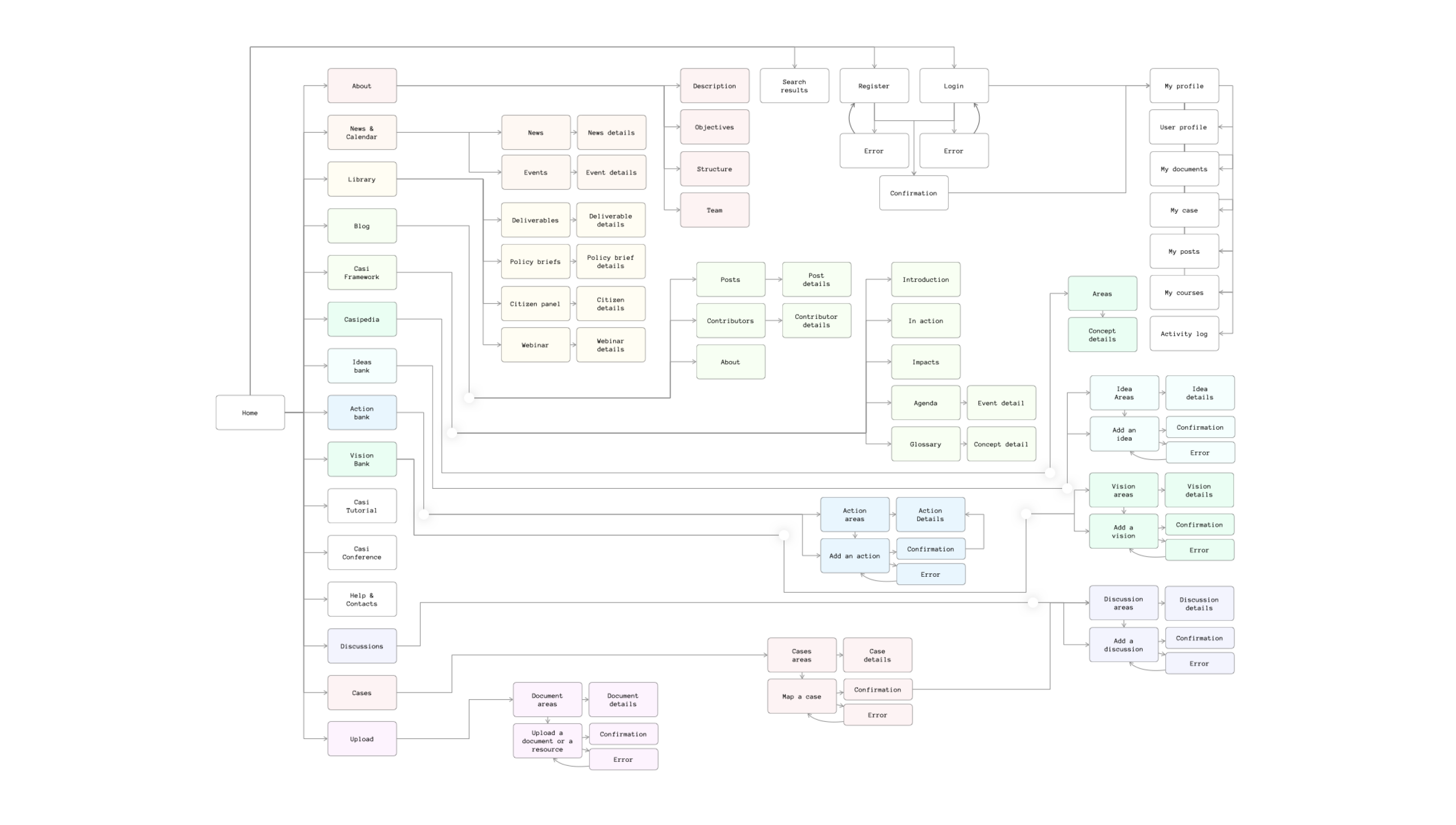
The IA work addressed a fundamental tension in the platform's scope: CASI aggregated outputs from 19 independent partner projects, each with its own content model, terminology, and publication cadence. The architecture needed to surface these as a unified, navigable whole rather than a loose federation of microsites.
I designed a topic-first navigation model that grouped content by sustainability theme rather than by institutional source, allowing users to explore the platform's depth without prior knowledge of the consortium structure. Taxonomies were developed collaboratively with partners and validated through card-sorting sessions with representative user groups.
Content governance rules, naming conventions, and metadata schemas were all documented as part of the IA deliverables, ensuring that the architecture remained coherent as new partner content was added over the project's multi-year duration.
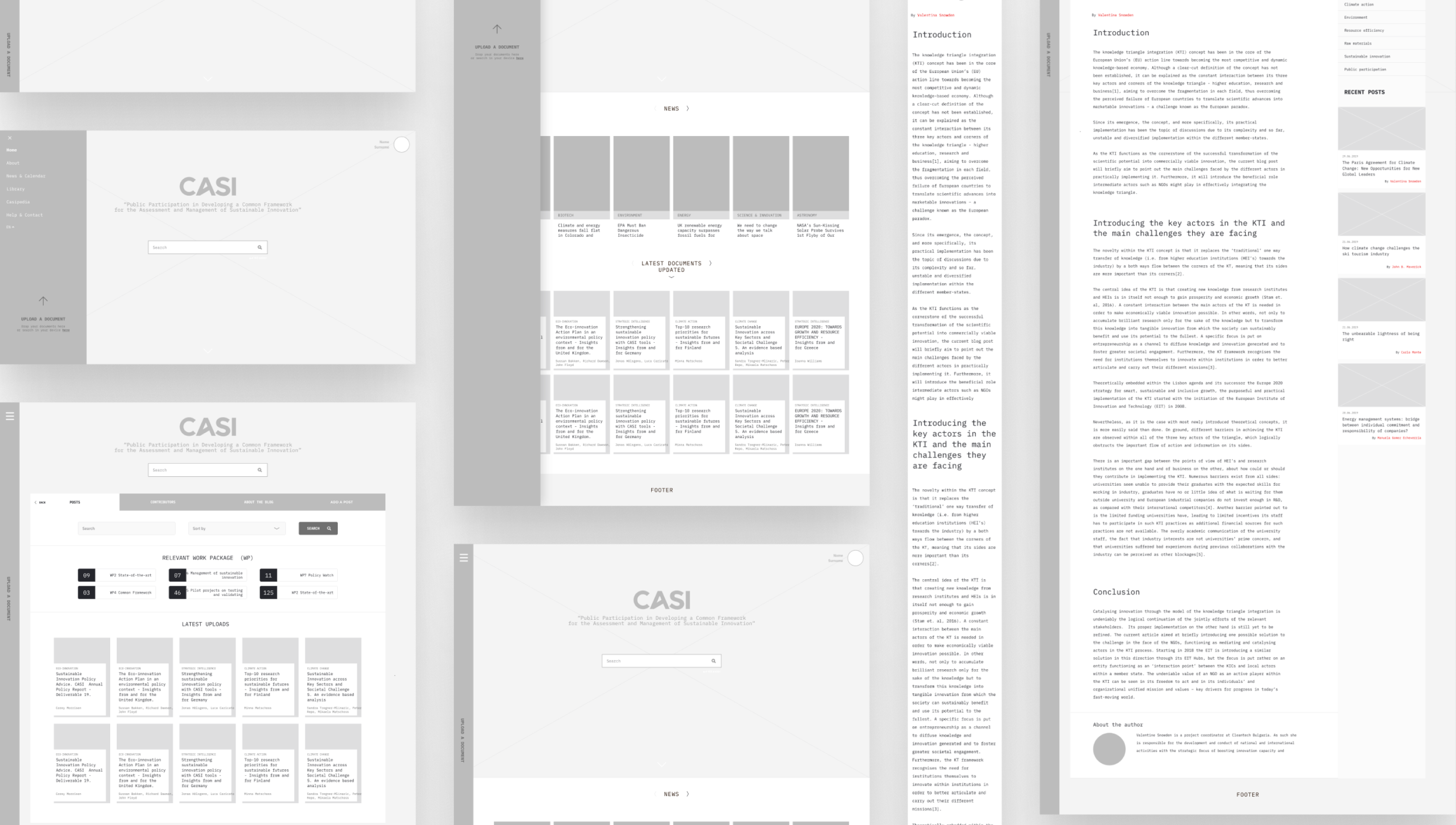
Wireframes were used to align a distributed consortium on interaction patterns before any visual design was applied. Working at low fidelity across the platform's core flows (discovery, content detail, project pages, and participation features) allowed stakeholders to focus on structure and intent without getting caught up in aesthetic decisions too early in the process.
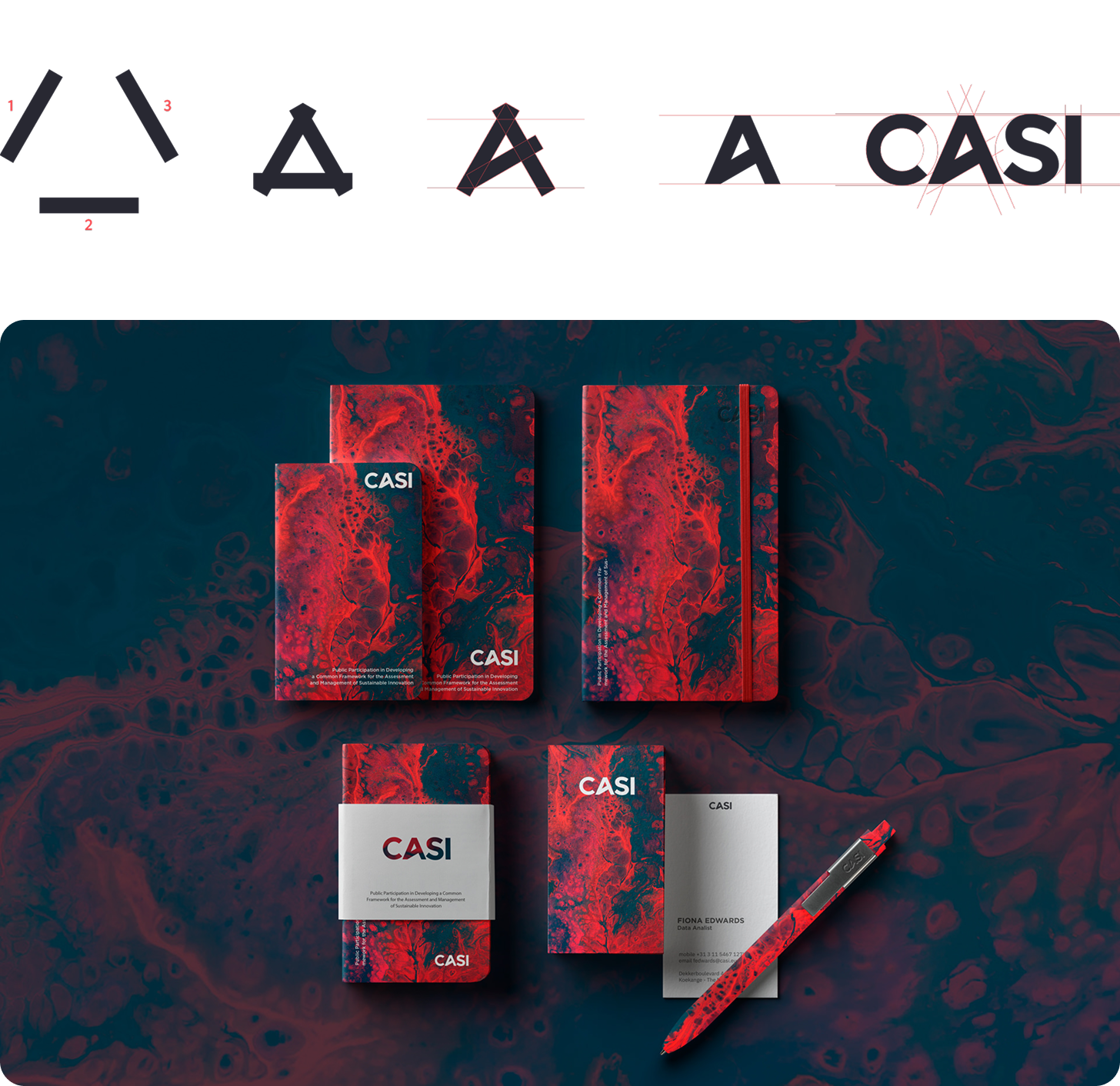
The CASI brand needed to work across all consortium touchpoints (digital platform, print publications, conference materials, and partner communications) while remaining clearly distinct from the identity of each individual partner institution. I developed a visual language grounded in the platform's core values of openness, interconnection, and scientific credibility, supported by a full design manual covering logo usage, color system, typography, iconography, and layout principles.
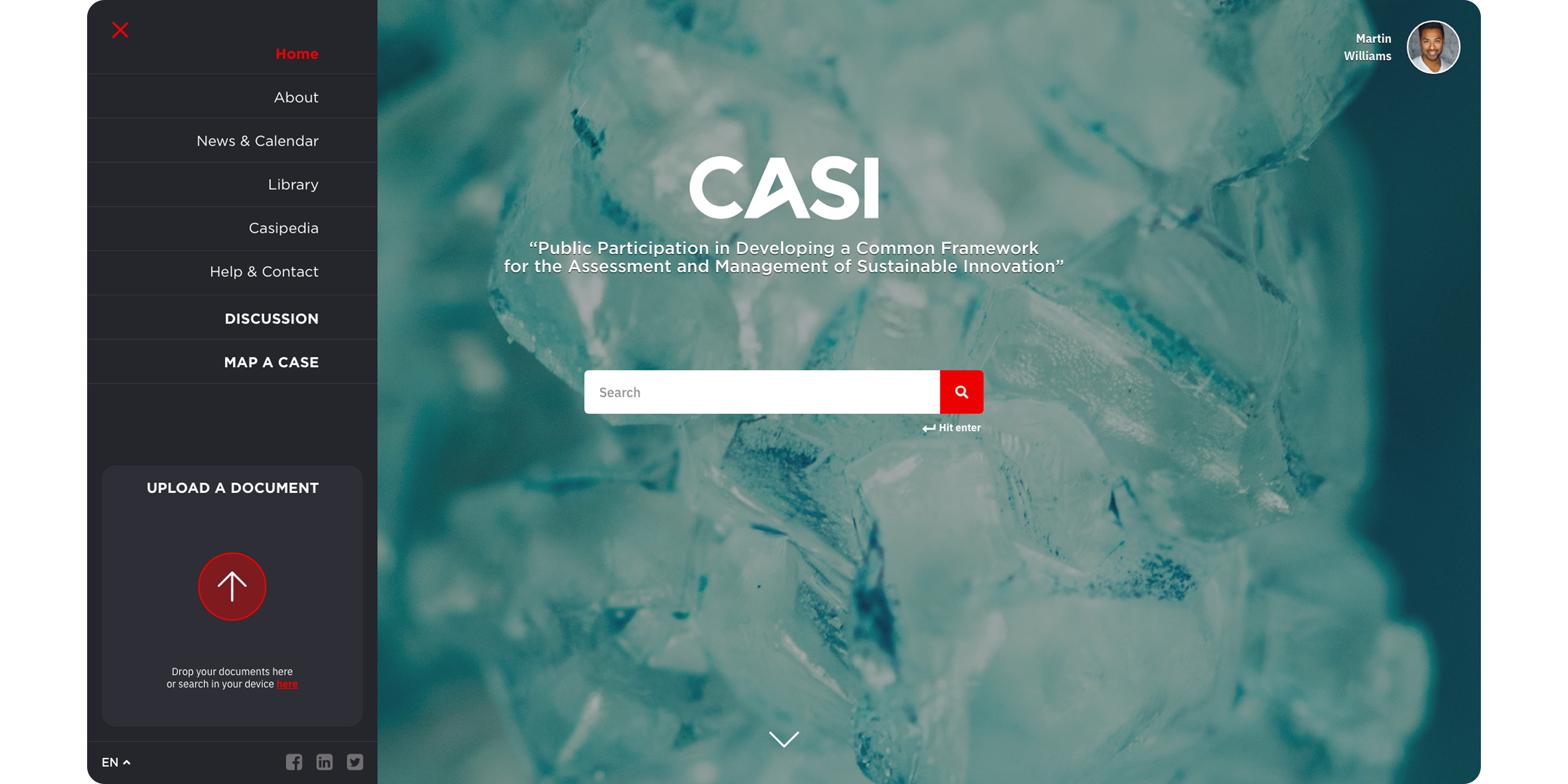
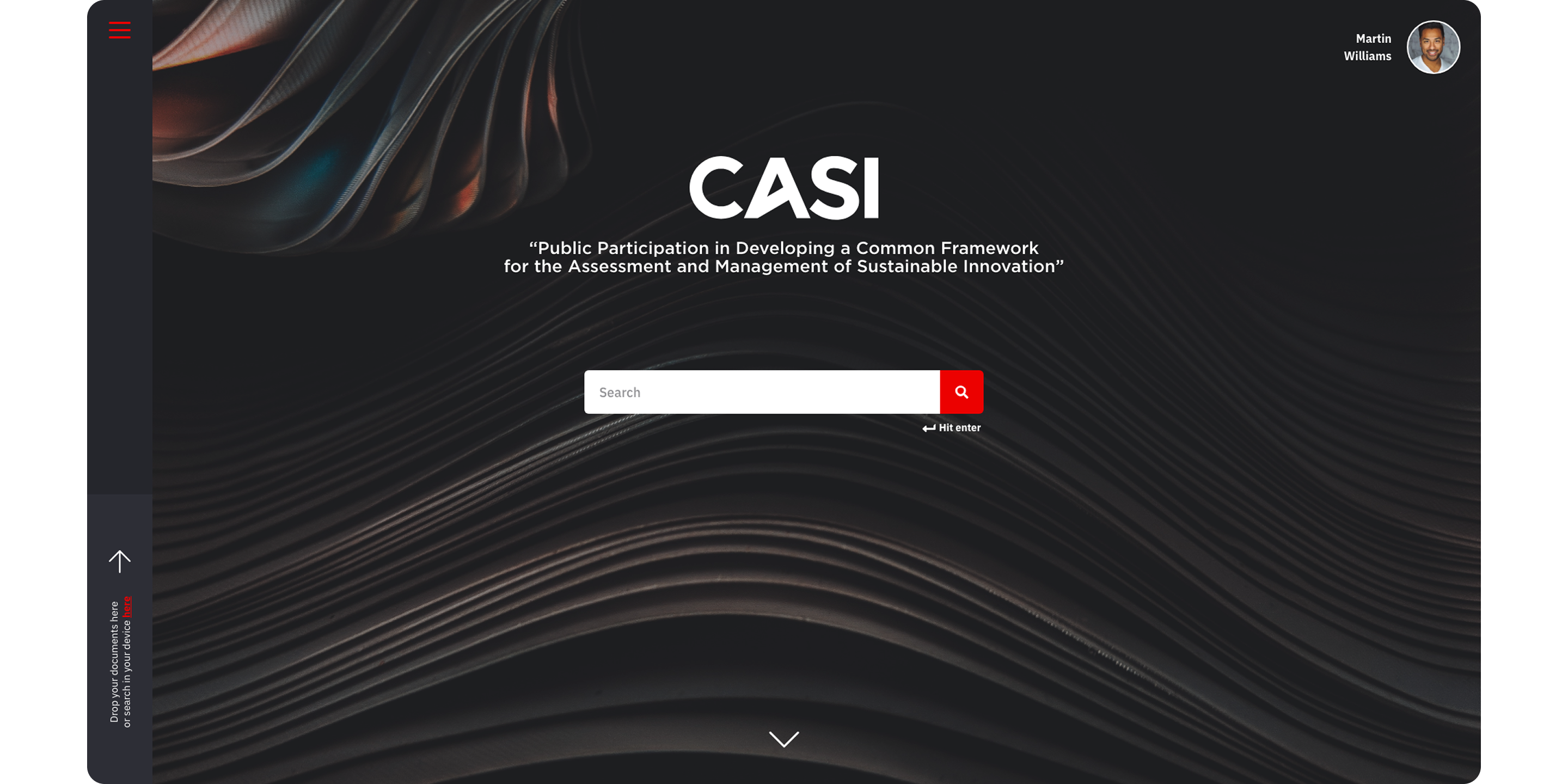
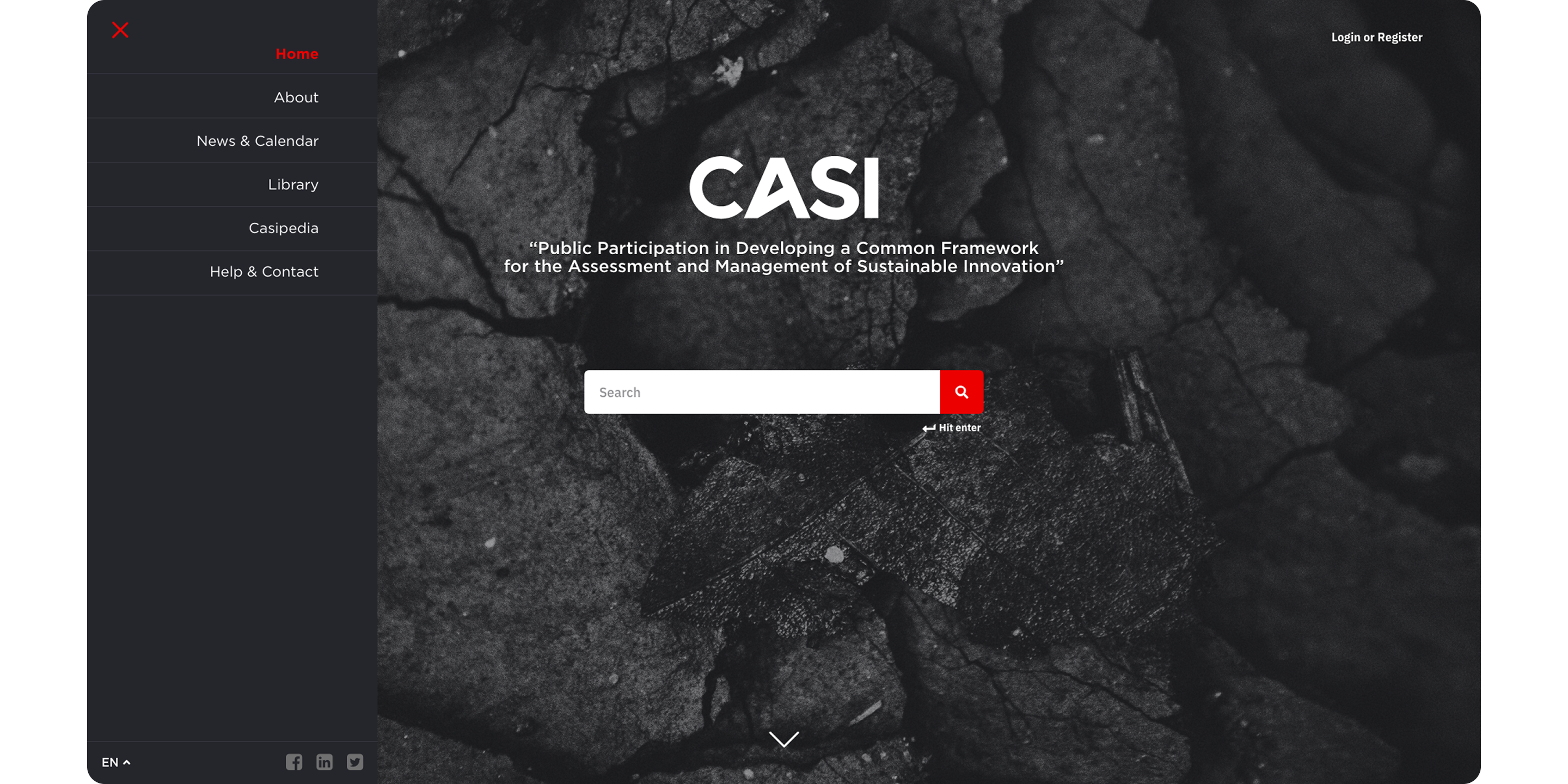
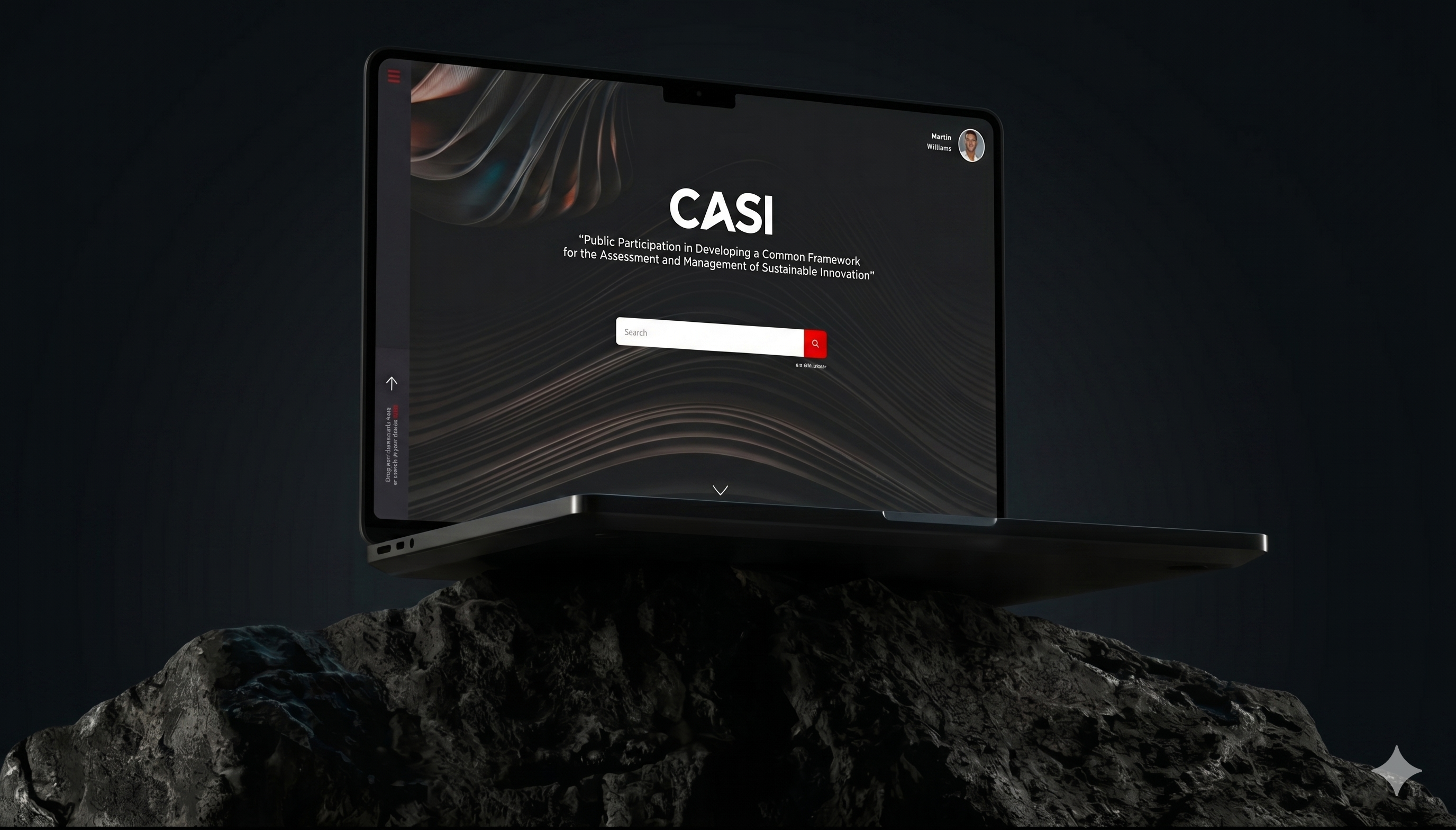
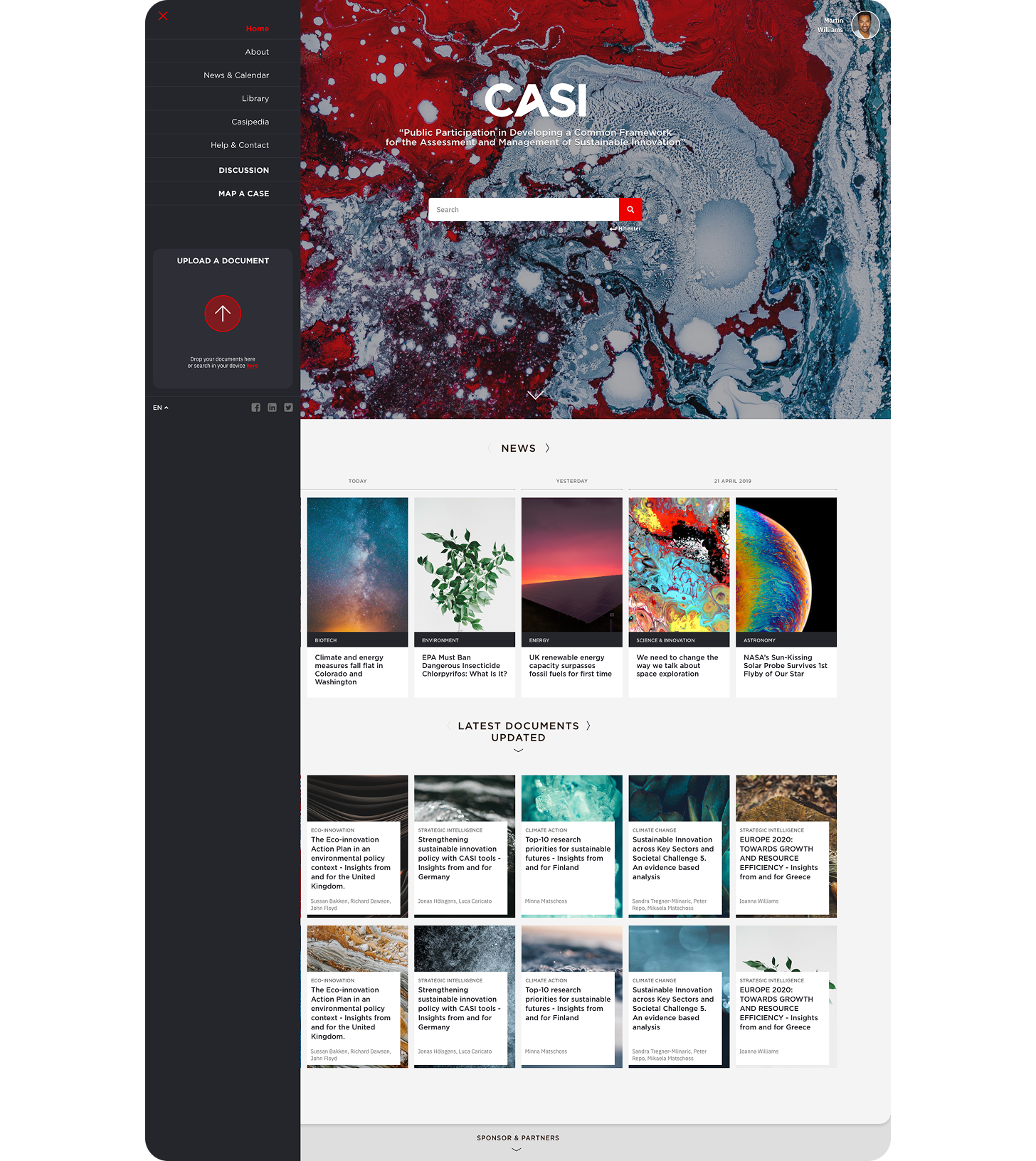
Interface design translated the IA and brand foundations into a fully realized digital product. The UI system was designed for clarity and accessibility first, serving audiences who ranged from policy researchers accustomed to dense data environments to citizens encountering the platform for the first time.
Component decisions prioritized reuse and consistency across the full platform. Each element was documented in the design manual with usage guidelines, responsive behavior specifications, and accessibility requirements, giving the development team a complete implementation reference and enabling partners to maintain design quality independently over the project's duration.